
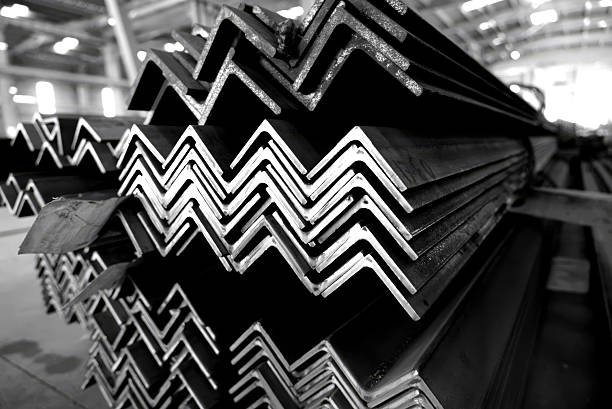

I didn’t think I’d ever have opinions about steel angles, but here we are. If you’ve ever been around a construction site, fabrication shop, or even scrolled through some late-night contractor reels on Instagram, you’ve probably heard people casually mention Ms angle like it’s common sense. And yeah, in the steel world, it kind of is. These L-shaped pieces don’t look fancy, don’t try to impress anyone, but they quietly hold a ridiculous amount of weight and responsibility. Kind of like that one coworker who never talks much but fixes everything when it breaks.
I remember early on, when I was still trying to understand steel products, I thought angles were all the same. Big mistake. Mild steel angles have their own personality, and once you notice it, you start seeing them everywhere. Warehouse racks, stair frames, transmission towers, even those temporary sheds that pop up overnight near highways. They’re not flashy, but they’re dependable, and in construction, that matters more than good looks.
Why Fabricators Keep Reaching for Angles Again and Again
There’s a reason mild steel angles get picked over and over. It’s not just tradition or habit. It’s because they behave predictably. Steel people love predictability. Mild steel, especially in angle form, bends before it breaks. That’s huge. It gives fabricators a bit of breathing room when loads shift or when someone slightly miscalculates. Think of it like a flexible backpack strap instead of a stiff plastic one. When things go wrong, flexibility saves the day.
A lesser-known thing I picked up from a shop supervisor once is that angles distribute stress in a really balanced way. The L shape isn’t random. Each leg supports load differently, which is why they’re used in frames and supports more than flat bars. Not many people talk about that online, but if you read through niche steel forums or even random Reddit threads, you’ll see engineers quietly praising angles for this exact reason.
Real World Uses That Don’t Show Up in Catalogs
Product catalogs show neat diagrams and perfect buildings, but real life is messier. I’ve seen steel angles used to fix mistakes more than once. A misaligned beam, a sagging platform, even a gate that wouldn’t shut properly. Someone welds an angle, and suddenly the problem looks solved. It’s like duct tape, but for heavy industry.
On social media, especially short-form videos, there’s this trend of showing before-and-after fabrication clips. A lot of them sneak in mild steel angles without even naming them. People comment things like “angles save the day again” or joke about how nothing gets built without them. It’s kind of true. If construction had a supporting actor award, angles would win every year.
Cost, Availability, and the Boring Stuff That Actually Matters
Let’s be honest, budgets decide more things than design does. Mild steel angles hit that sweet spot of being affordable and widely available. In most Indian markets, you can find them without waiting weeks, which contractors love. Time delays cost money, and nobody wants to explain to a client that a project is stuck because one steel section didn’t arrive.
Another thing people don’t always realize is how forgiving mild steel is during cutting and welding. Less cracking, less drama. I’ve heard welders say they prefer working with angles because they “behave nicely.” Not a technical term, but you get the idea. When labor is involved, materials that cooperate are worth their weight in gold.
Quality Isn’t Just About Thickness
A common misconception I had early on was that thicker always means stronger. Not exactly. Quality depends on consistency, chemical composition, and proper rolling. A poorly made thick angle can fail faster than a well-made thinner one. This is why sourcing matters. People on LinkedIn love talking about supply chains now, and honestly, they’re not wrong. Where your steel comes from affects how it performs on-site.
I’ve seen builders complain online about angles warping during fabrication, and most of the time it traces back to inconsistent material quality. That’s why reliable manufacturers and suppliers become long-term partners, not just vendors. Once trust is built, no one wants to switch.
Angles in Modern Construction Trends
With all the talk about futuristic materials and smart buildings, you’d think steel angles would be phased out. Nope. If anything, they’re adapting. Pre-engineered buildings, modular structures, even renewable energy setups still rely on angles for bracing and support. They’re like that old tool that somehow works with every new gadget.
There’s also a quiet push toward better finishing and corrosion resistance. Galvanized and treated angles are becoming more common, especially in coastal or industrial areas. People might not brag about it, but durability is trending, even if the internet prefers shiny things.
Ending Where It All Comes Together
At the end of the day, steel construction is a mix of math, experience, and gut feeling. Mild steel angles sit right in the middle of that mix. They’re simple, strong, and adaptable, which is probably why they’ve survived every trend thrown at them. Whether it’s a massive industrial shed or a small repair job, Ms angle keeps showing up like it always does, quietly doing the heavy lifting while everyone else takes the credit. And honestly, that’s kind of impressive.