
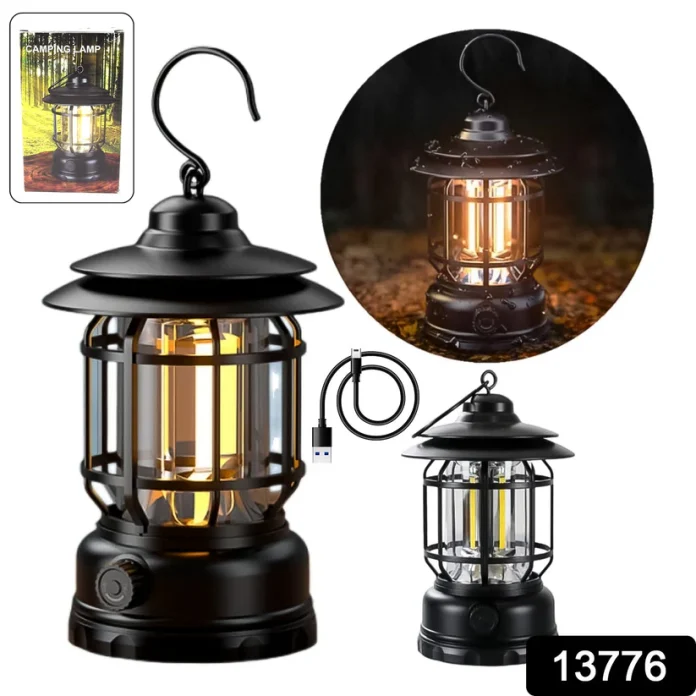

I didn’t think I’d ever sit down and seriously write about lamp light, but here we are. It started honestly on a random evening when my room felt… off. Same walls, same bed, same messy chair with clothes that are “not dirty yet.” But the light was wrong. Too white, too harsh, like a hospital waiting room at 2 a.m. That’s when it hit me how much lighting messes with your mood and even your wallet, weirdly enough. We talk about phones, furniture, even plants, but lamp choices? Nah, ignored like terms and conditions.
And yeah, I’m not an interior designer or anything. Just someone who spends too much time indoors and scrolls Instagram reels at night wondering why some rooms feel cozy and mine feels like a tuition center.
Why Your Brain Cares About Lighting More Than You Think
There’s this thing nobody tells you when you move into a new place or redo a room. Your brain reacts to light before it reacts to color or decor. I read somewhere, can’t remember the exact source, but warm lighting can actually reduce stress hormones a bit. Not dramatically, don’t expect therapy-level results, but still noticeable. Cold lighting, on the other hand, keeps your brain alert. That’s great for offices, terrible for winding down.
Think of it like background music in a café. If it’s too loud or weird, you leave. Light works the same way. Your room might be playing heavy metal when you just want soft lo-fi beats.
Also fun fact most people don’t realize, LED lamps today use almost 75% less energy than those old-school incandescent bulbs. It’s like switching from a petrol guzzling SUV to a scooter that somehow still gets you everywhere.
The Money Side of Lamps Nobody Brags About
Here’s where finance sneaks in. Buying a lamp feels like a small expense, so we don’t think much. But over time, bad lighting choices bleed money quietly. Cheap bulbs that die fast, high wattage lamps that spike electricity bills, fixtures that don’t spread light properly so you end up adding more lights.
It’s similar to buying cheap shoes. You save today, then replace them every six months. Suddenly you’ve spent more than you planned, and your feet still hurt.
I once bought a super cheap desk lamp because it looked “aesthetic” online. Big mistake. The light was uneven, my eyes hurt after an hour, and it died in three months. Lesson learned, sort of.
Social Media Didn’t Help, But Also Helped
If you’ve been on Instagram or Pinterest lately, you’ve probably noticed how everyone’s room looks like a cozy café now. Soft glows, warm corners, shadows that look intentional. People are obsessed with ambient lighting, and honestly, I get it.
There’s even this weird trend on TikTok where people rate rooms purely based on lighting vibes. Not furniture. Not size. Just vibes. And rooms with bad lighting get roasted hard. Internet is brutal but sometimes accurate.
What most of these creators quietly do is layer lights. One main lamp, one corner lamp, maybe a small table light. No big spotlight screaming from the ceiling. It’s not about brightness, it’s about balance.
Small Lamps, Big Mood Changes
This might sound dramatic, but adding one decent lamp can change how you feel about a space. I added a small side lamp near my bed and suddenly reading felt nicer. Even scrolling felt less tiring. It’s like your eyes relax without you noticing.
There’s also a productivity angle. Warm light for evenings, neutral for work corners. Your brain starts associating spaces with tasks. Bed means rest. Desk means focus. Light becomes a signal, not just illumination.
People underestimate how much the environment controls behavior. We blame ourselves for being lazy or unfocused, but half the time, the room is just fighting us.
Choosing Without Overthinking It Too Much
I’m not saying go full lighting expert mode. Please don’t start measuring lumens like you’re launching a satellite. Just think practically. Where do you relax? Where do you work? Where do you doomscroll?
A lamp in the wrong place is like putting a fridge in the bedroom. Technically works, but why.
Also, lesser-known things, lamps with fabric shades soften light more than metal ones. Sounds obvious, but many people skip that detail. That’s why hotel rooms feel nice even when they’re kinda boring. Soft diffusion.
The Quiet Flex of Good Lighting
Nobody walks into your room and says, wow amazing lamp. But they’ll say the room feels nice. Calm. Cozy. That’s the flex. The lighting works silently.
It’s also one of the cheapest ways to make a space feel upgraded. You don’t need new furniture. You don’t need repainting. Just smarter lighting.
I still mess this up sometimes. I buy bulbs that are too bright or lamps that look good but feel wrong. It happens. Real life isn’t Pinterest-perfect.
And yeah, if you’re thinking of finally fixing your room lighting situation, starting with lamp light setups that actually suit how you live makes more sense than copying some influencer’s beige aesthetic. Your room should work for you, not for likes.