
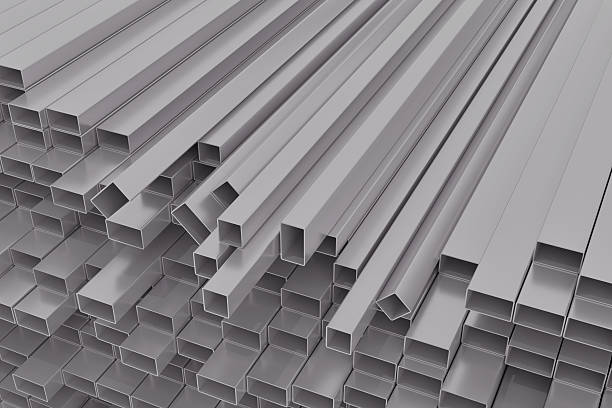

I didn’t think I’d ever sit down and write almost a thousand words about steel, but here we are. Specifically Ms square, which sounds boring until you realize how much of the stuff around you is basically standing because of it. The first time I came across Ms square was while talking to a fabricator who kept calling it “the most honest steel shape.” I laughed then, but now I kind of get it. It’s not flashy, not Instagram-famous like stainless railings, but it holds things together without drama. That’s already more than most of us can say on a Monday.
Steel in general has this reputation of being cold and industrial, but mild steel square sections are weirdly approachable. They’re strong but not stubborn, easy to cut, weld, bend, curse at, and then fix again. Kind of like that friend who always helps you move houses even though they complain the whole time.
What this square steel actually is, minus the textbook tone
Mild steel square bars or hollow sections are exactly what they sound like. Steel, shaped into a square. No fancy chemistry lecture needed. What’s interesting is that mild steel has low carbon content, which is why it doesn’t act like a diva when you weld it. It doesn’t crack easily, doesn’t throw tantrums, and doesn’t need exotic tools. There’s a reason local workshops love it.
A lesser-known thing I read somewhere (and then double-checked because Twitter lies a lot) is that mild steel still accounts for more than 85 percent of steel used in everyday construction globally. Most people assume it’s all high-tech alloys now, but nope. Old-school steel is still doing the heavy lifting, literally.
Why builders won’t shut up about it
Talk to any contractor after their third cup of chai and they’ll eventually mention square sections. The shape matters more than people think. Square steel distributes load evenly, which makes it predictable. Predictable is good when you’re stacking floors on top of each other or supporting machines that vibrate like they’re angry at life.
I once watched a small factory upgrade their equipment and instead of replacing the whole structure, they just reinforced it using square steel sections. Saved money, saved time, and no one had to stop work for weeks. Not glamorous, but extremely practical. That’s kind of the whole personality of this material.
Online chatter and the quiet steel nerds
If you hang around construction or fabrication reels on Instagram, you’ll notice something funny. No one tags steel brands, but comment sections are full of people arguing about thickness, weight, and whether square is better than rectangular. There’s this unspoken respect for square steel. Reddit threads especially love it. Someone will post a DIY rack and the top comment is always “Square MS? Good choice.”
Also, steel price memes are a thing now. Every time rates go up, someone jokes about switching careers. But even during price spikes, mild steel square remains one of the most cost-stable options. That’s not talked about much, but it matters when margins are thin.
The flexibility nobody advertises
One thing I personally underestimated was how flexible this steel is in usage. Not flexible like rubber, obviously, but adaptable. It shows up in gates, stair railings, warehouse racks, machine frames, furniture, solar panel structures, and random things you never notice unless you start looking.
I made the mistake of trying to build a table once using wood and angle iron. Bad idea. Warped legs, uneven surface, regrets. Second attempt used square steel sections, and suddenly everything lined up. It felt like cheating. That’s when I stopped thinking of steel as just “construction material” and more like a problem-solver.
Durability without the drama
Steel rusts, yes. That’s the comment everyone rushes to make. But mild steel square, when treated or painted properly, lasts way longer than people assume. There are factory sheds built decades ago still standing on the same frames. No viral videos about that because durability is boring content.
Here’s a niche stat that surprised me. Properly maintained mild steel structures can easily last 40 to 50 years in non-coastal environments. That’s half a century of not worrying about collapse. Compare that to trendy materials that look good for five years and then start complaining.
Why engineers trust it more than hype materials
Engineers, at least the honest ones, don’t care about trends. They care about calculations working out the same every time. Square steel sections are predictable in stress behavior. Less guesswork, fewer surprises. When deadlines are tight and safety is non-negotiable, boring becomes beautiful.
I once overheard an engineer say, “If something fails with square MS, it’s probably your design, not the material.” Brutal, but fair.
Money talk, because it always matters
Let’s be real. A lot of love for mild steel square comes from its price-to-performance ratio. You get strength, availability, easy fabrication, and repairability without burning cash. For small businesses and growing industries, that’s huge.
Even during steel market fluctuations, square sections remain easier to source compared to specialized profiles. That availability keeps projects moving. Delays cost more than materials, something people only learn after their first stalled site.
Ending where it makes sense
So yeah, steel doesn’t get fan clubs or aesthetic reels, but it quietly shapes everything around us. And Ms square is right at the center of that story, doing the uncelebrated work. It’s not trying to be impressive, it just shows up, gets welded, carries weight, and doesn’t complain. Honestly, that’s the kind of reliability most industries, and people, could use more of.