
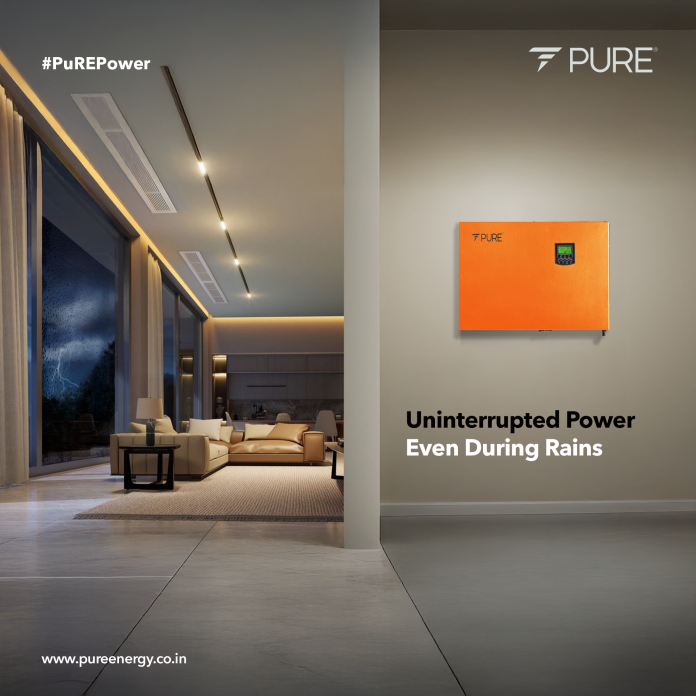

When the Power Goes Out… You Notice Fast
There’s nothing quite like sitting down with your favorite snack and binge-watching a show, only for the lights to flicker and go out. Suddenly, your comfy living room turns into a cave, and you’re fumbling around for your phone to provide some light. That’s when you realize how much we actually rely on electricity.
I remember last summer, there was this massive blackout in my area. My fridge stopped, my fan died, and my laptop was on 2% battery. I had this fleeting thought: “What did people do before electricity?” And then the real panic hit — all my snacks were about to go bad. That’s when I started taking power backup solutions for home a bit more seriously.
The Basics: What Are Home Power Backup Solutions Anyway?
Let’s break it down in simple terms. Power backup solutions for homes are basically your safety net when the main electricity supply decides to take a nap. It could be a battery system, an inverter, or even a small generator. These devices step in to keep essential appliances running.
Think of it like a friend who’s always ready to bail you out when life goes sideways. You might not always need them, but when you do, you’re super glad they exist.
Most people think it’s just about keeping the lights on. But honestly, it’s about keeping life from turning into chaos. Imagine your Wi-Fi dying mid-video call or your fridge going off and ruining that last slice of birthday cake. Not fun.
Why Every Home Needs a Backup
We all know that India’s power supply can be unpredictable. Some days it’s fine, some days it feels like the entire city decided to test your patience. And while a blackout might seem like a minor inconvenience, it can have real consequences.
Electronics don’t like abrupt shutdowns. That laptop you’ve been working on for hours? One power cut and poof, there goes your unsaved work. That AC you love in the middle of a scorching summer? Without backup, you’re just sweating through your Netflix binge.
There’s also the safety angle. During blackouts, especially in monsoon seasons, sudden surges when power returns can fry appliances. Proper power backup solutions for home often include surge protection, which is a small detail but a huge saver in the long run.
Types of Backup Systems: Not One-Size-Fits-All
Not all backup systems are created equal. I’ve personally had a run-in with a tiny generator that was sold as “sufficient for home use.” Let’s just say my fan was happy, but my fridge was definitely not impressed. Here’s a quick, casual breakdown:
Inverters with Batteries: These are the most common. They’re quiet, don’t need fuel, and can run essentials like lights, fans, and small electronics for hours. Think of them as your friendly neighborhood superhero.
Generators: Loud, smelly, but effective. They can power bigger appliances but aren’t something you want running inside the house. I’ve seen neighbors fire one up, and the sound alone could wake up the entire block.
Solar Backup Systems: This is where things get fancy. They store energy from the sun and can run your home sustainably. The initial investment is higher, but if you’re thinking long-term, they’re a pretty smart move. Plus, you’re basically being a tiny hero for the planet.
Choosing the Right Backup for Your Home
Picking a system isn’t just about buying the fanciest model. It’s about understanding your needs. For instance, a bachelor in a studio apartment probably doesn’t need a generator that can power an entire house. Meanwhile, a family of five with a fridge, AC, and water pump? Yeah, you need a serious setup.
I usually tell friends, think about what you can’t live without during an outage. For me, it’s lights, fridge, and my Wi-Fi (don’t judge, work-from-home life). Once you figure that out, you can talk to experts and find a power backup solution for home that actually fits your lifestyle.
Money Talks: Is It Worth It?
I get it — backup systems can seem pricey. My first thought was, “Do I really need this?” But then I calculated the cost of a fried fridge, spoiled food, and hours of wasted work. Suddenly, the investment made sense.
Think of it like insurance. You hope you never have to use it, but when the situation hits, you’re grateful you didn’t cheap out. Plus, some of the newer battery systems are surprisingly efficient and don’t drain your electricity bills like a sneaky little leech.
Little-Known Facts About Home Backup Systems
Here’s something I didn’t know until recently: not all batteries are created equal. Lead-acid batteries, the old-school kind, have been around forever but need more maintenance. Lithium-ion batteries are newer, last longer, and are less of a headache.
Also, did you know some inverters can now integrate with your smart home system? Meaning, you can check battery levels or even turn on your backup remotely through your phone. Honestly, that blew my mind the first time I tried it. It’s like the Jetsons, but for real life.
Online Buzz and Social Media Sentiment
Scroll through any Indian tech forum or Facebook group, and you’ll see people going crazy over blackouts. People share tips, complain, and memes about it. Some folks even post videos of their neighbors’ generators shaking the street like a mini earthquake.
The common thread? Everyone wishes they had a reliable backup. And that’s why investing in power backup solutions for home isn’t just smart — it’s kind of trendy now. People want uninterrupted life, and tech is finally catching up to deliver it.
A Personal Anecdote: Why I Switched
I used to rely on candles and a tiny UPS during outages. One night, the power went out in the middle of a heavy storm. My neighborhood was pitch dark, and I was fumbling for a flashlight. Meanwhile, the friend next door had a new solar backup system and was casually scrolling on their phone while enjoying a fan-cooled living room.
It was a wake-up call. I realized that convenience is underrated until you actually need it. After that, I invested in a proper power backup solution for home, and honestly, life has been so much smoother. No more mid-night fridge disasters, no more fan-less nights. It’s like I leveled up in.
The Future of Home Power Backup
Tech is moving fast. We’re talking AI-powered battery management, seamless integration with renewable energy, and even systems that can sell excess power back to the grid. Someday, blackouts might just become a distant memory.
Until then, having a reliable backup isn’t a luxury — it’s a necessity. And let’s be real, in a world where everything from your Netflix binge to your work deadlines depends on electricity, being prepared is just common sense.
Bottom Line
Here’s the takeaway: power outages are annoying, unpredictable, and sometimes costly. A good power backup solution for home keeps life running smoothly, protects your electronics, and saves you a ton of stress.