
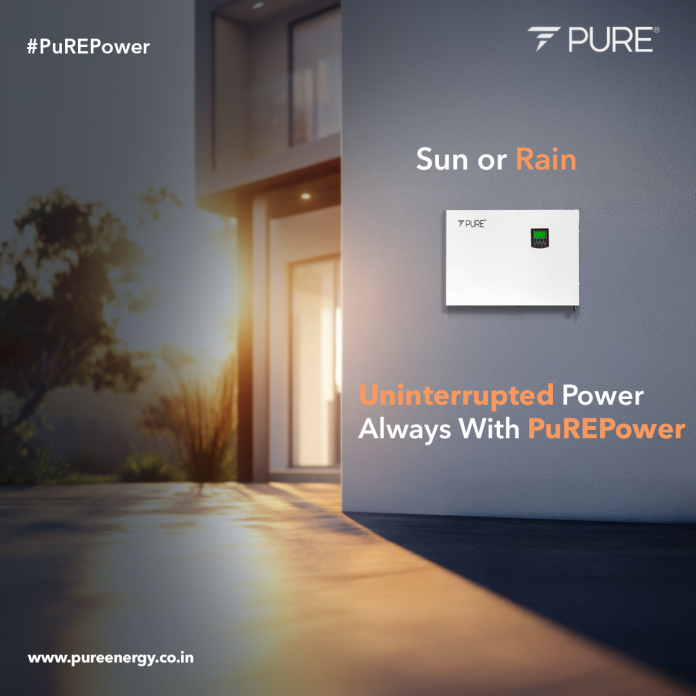

The Reality of Power Cuts
If you live in a city—or even a slightly rural area—you probably know the feeling. One minute you’re in the middle of cooking, binge-watching your favorite show, or finishing up some work, and bam! Darkness. The power’s gone. And somehow, your phone is always at 5% when this happens. It’s like the universe conspires to make sure you suffer just a little.
I used to think, “Ah, a power cut for an hour isn’t the end of the world.” But then there was this one night when my freezer died mid-summer because of a three-hour outage. Everything melted, and let’s just say I had a very sad, very soggy ice cream incident. That’s when I realized a proper power backup isn’t a luxury—it’s basically a sanity saver.
Choosing the Right Power Backup Solutions for Home
Here’s the tricky part: not all power backup solutions for home are created equal. Some look fancy, promise the moon, but when the lights go out, you’re left staring at an expensive paperweight. On the other hand, a reliable system can feel like a knight in shining armor for your home.
Personally, I lean toward solutions that are not just strong enough to power a few lights, but also handle the essentials—fridge, fan, Wi-Fi, and maybe even your home office setup if you work from home. Because let’s face it, if your Wi-Fi dies during a meeting or an online class, the stress is real.
Battery Backup vs. Generator: The Never-Ending Debate
People online are always arguing over this. Some swear by generators, others are all about batteries and inverters. Generators are like that friend who’s loud, reliable, but a little high maintenance—they roar to life but need fuel, attention, and a bit of patience. Batteries are quieter, cleaner, and generally less stressful, though you have to pick the right one based on your energy needs.
Honestly, my experience taught me that a combo approach works best. A solid battery for short outages and a generator as a backup for those marathon blackouts. Think of it as the dynamic duo of home survival: Batman and Robin, but for electricity.
Installation Woes and Tips
Installing a power backup system might sound easy, but trust me, it’s a rabbit hole. You’ve got to consider capacity, voltage, battery type, maintenance, and more. I’ll admit I tried DIY once—huge mistake. There were wires everywhere, my cat looked genuinely terrified, and I spent half the night on YouTube tutorials. Moral of the story: call the professionals. It might cost a bit more, but your sanity (and your pets) will thank you.
The Silent Heroes of Modern Homes
Think about it. We complain a lot about electricity bills, but we barely talk about how crucial uninterrupted power has become. Home offices, online classes, streaming, smart homes—basically everything runs on electricity now. A good power backup solution for home isn’t just a gadget; it’s like having a silent hero who saves your day without making a scene.
I remember scrolling through Reddit one evening during a blackout. People were sharing memes about losing internet mid-game or their refrigerators defrosting. Some stories were tragic, some hilarious, but the underlying sentiment was clear: we all need backup power. And I mean reliable, stress-free, switch-on-and-go backup power.
Investing Wisely for the Long Run
Here’s the kicker: a proper power backup system isn’t cheap. But here’s a little perspective—imagine the cost of spoiled food, lost work hours, ruined gadgets, and sheer frustration over just one long outage. Suddenly, the investment doesn’t seem that bad. Think of it like insurance for your home, but way more tangible—you can see the lights staying on.
Also, newer battery systems are surprisingly eco-friendly. Some are lithium-ion, which last longer, need less maintenance, and are lighter. Basically, it’s like upgrading from a clunky old phone to a sleek smartphone—you’ll never go back.
Final Thoughts
If you’ve been dragging your feet on this, consider this a friendly nudge. A proper power backup solution for home isn’t just about keeping the lights on. It’s about keeping life running smoothly, avoiding small disasters, and yes, preserving that pint of ice cream in your freezer.