
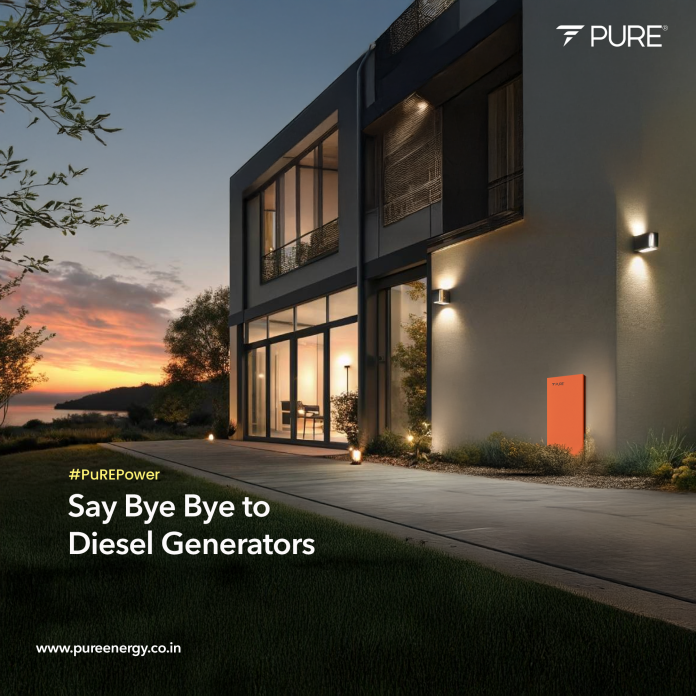

When blackout season hits, everyone suddenly becomes a power expert
Every year when the electricity starts acting like it has mood swings, my neighborhood WhatsApp groups go crazy. Someone is forwarding screenshots of inverters, someone is ranting about their battery dying mid-meeting, and someone is always proudly announcing that they finally upgraded to a “proper power solution” like they just bought a luxury car.
Honestly, I used to laugh at it… until the day my old inverter battery bailed on me at the exact moment I was halfway through an online interview. Yep. The screen froze, my fan turned into a useless piece of plastic, and I sat there in the dark thinking maybe I should’ve taken power backup a bit more seriously.
And that’s pretty much why I got obsessed with understanding how a solid power backup battery for home actually works and why everyone keeps shouting about choosing the right one.
What nobody tells you about choosing a power backup battery
Most people think it’s just “battery is battery,” like how some people think all tea tastes the same (which is deeply offensive to any chai lover). But when your entire day depends on whether your UPS or inverter lasts even an hour, you start noticing the small things.
Like how your battery capacity isn’t just a number; it’s literally the difference between enjoying a peaceful evening with the fan on low speed vs. sitting there sweating and regretting every decision that led you to that moment.
A funny thing I learned: people love to exaggerate their battery’s backup time. If someone says “mere inverter ne 8 hours diya,” trust me, cut that number in half. Real-world backup is always lower than the perfect lab-style situations they advertise.
How online chatter manipulates our choices without us noticing
One night I was scrolling through Reddit threads and random Twitter posts, and it was hilarious how dramatic people get about batteries. Someone wrote, “If your inverter battery died in less than 3 years, you bought the wrong brand OR your luck is cursed.” Another guy compared maintaining a battery to maintaining a relationship — “give it attention, charge it properly, don’t overburden it, and it’ll last longer.”
Honestly… fair enough.
But one thing that kept popping up was how underrated lithium batteries are becoming for homes. I mean, sure, they’re more expensive upfront, but people genuinely worship them online. Faster charging, better lifespan, lighter weight… and they don’t make that weird acidic smell some old-school lead batteries do. And companies like Pure Energy seem to be leaning heavily into this shift, offering cleaner, modern battery tech.
A simple analogy to explain battery choices (because why not)
Think of lead-acid batteries like classic scooters—reliable, affordable, slightly needy.
Lithium batteries are more like electric bikes—sleek, future-oriented, and honestly just feel nicer to use.
Your wallet might shout at you at first, but long-term savings are real. It’s like buying a good pair of shoes; the cheap ones betray you the moment you need them most.
What I personally learned (or messed up) along the way
I once bought a battery purely based on “oh this looks like a good deal.” Big mistake. That thing started losing backup within months, and I swear the water topping routine felt like taking care of a pet I didn’t want. The maintenance became a whole side quest.
After that experience, I actually paid attention. I checked the warranty, the cycle life, the compatibility with my inverter, and yeah… I finally went for a better power backup battery for home from Pure Energy. Not saying my life is transformed like those dramatic shampoo ads, but at least my fan doesn’t abandon me mid-sleep anymore.
The stuff you don’t hear often (but should care about)
There’s this lesser-known thing called Depth of Discharge which sounds like a physics exam topic but basically tells you how much of your battery you can safely use before its health starts deteriorating. Lithium batteries generally have a much better DoD, which means you’re actually getting more usable power from the same capacity.
Here’s another weird fact: temperature affects battery life more than most people think. If your inverter is chilling in a hot corner of your house, the battery will age faster—kind of like how we all feel older after standing too long in a Rajasthan summer afternoon.
Why the peace of mind is worth it
After dealing with flaky batteries, I realized backup power isn’t just about “lights staying on.” It’s about not losing work during an online meeting. It’s about not waking up drenched in sweat at 3 AM. It’s about your Wi-Fi surviving long enough so you can stream something and avoid socializing .
A good power backup battery for home from a dependable place basically buys you peace — and honestly, peace is expensive these days.
Final thought, not a conclusion but more like a sigh of relief
If you’re living with frequent cuts or sudden dips in power, just upgrade. Don’t be like me, sitting in the dark trying to convince myself it’s “not that bad.” A stable battery setup at home just makes life easier in ways you only notice once you have it.