

Table of Contents
- Stay Calm and Keep Control
- Pull Over in a Safe Location
- Check the Damage Carefully
- Decide Whether It Is Safe to Drive
- Limit Further Damage
- Repair or Replacement?
- Consider Cameras and Safety Features
- When Mobile Service Makes Sense
- Insurance and Warranty Questions
- Windshield Damage Checklist
- Final Takeaway
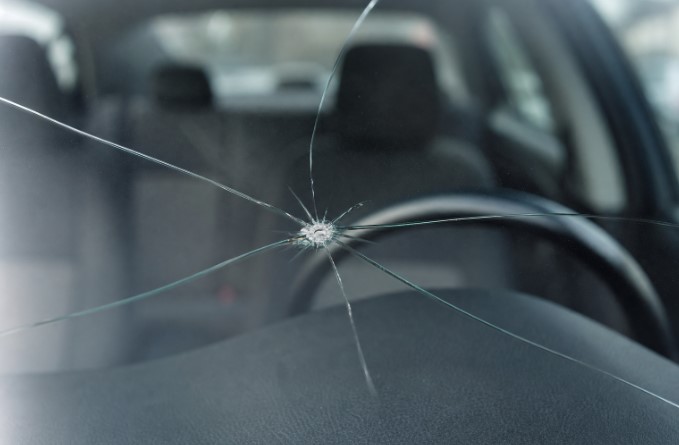
A windshield crack can happen without much warning, whether a stone strikes the glass on I-64, a truck sends debris across I-270, or changing temperatures put added stress on an existing chip. The priority is staying in control of the vehicle. If the damage makes it difficult to see clearly or leaves you uncertain about driving, arranging car window repair St. Louis service may be safer than trying to continue across town. Even a small crack deserves prompt attention. Windshield damage can spread with vibration, moisture, temperature changes, and ordinary road impacts, so a problem that looks manageable in a driveway may become more serious during a St. Louis commute.
Do not judge the situation by crack length alone. Its location, whether it reaches the windshield edge, the condition of the glass, visibility, road conditions, and your vehicle’s equipment all matter when deciding what to do next.
When in doubt, choose the option that keeps you and other road users safer. A parked vehicle can be inspected. A driver who cannot clearly see traffic, pedestrians, lane markings, or changing signals may face a much more urgent problem. If service arrangements are already in process, provide the technician with your exact location, your vehicle’s year, make, and model, and a brief description of where the crack begins and ends.
Stay Calm and Keep Control
A sudden crack can be startling, particularly if it occurs at highway speed. Keep both hands on the wheel, look through the clearest available portion of the glass, and continue paying attention to traffic. Avoid staring at the damage, braking hard, making abrupt lane changes, or turning sharply unless an immediate hazard requires it. The goal is simple: prevent a glass issue from becoming a collision. Reduce speed gradually when conditions allow, create more following distance, and move toward a safe place to stop.
Pull Over in a Safe Location
Once you have control of the vehicle, find a protected location to assess the windshield. In St. Louis, that may mean taking the next safe exit, entering a parking lot, stopping at a service station, or using a rest area rather than remaining on a narrow highway shoulder.
- Signal early and slow down smoothly.
- Use hazard lights if the damage creates a serious visibility concern.
- Choose a location away from moving traffic whenever possible.
- Park securely before inspecting the glass or making service calls.
Personal safety comes before photographs, insurance questions, or attempts to cover the crack.
Check the Damage Carefully
After parking, look at the windshield without pressing on it. Note the approximate size of the crack, whether it has an impact point or branching lines, and whether it reaches the outer edge. Also, check whether the glass appears loose, heavily fractured, or wet around the damaged area. Pay special attention to the driver’s direct line of sight. Driver visibility and the likelihood that damage could worsen during normal use are among the safety factors identified by federal transportation guidance on windshield condition.
Decide Whether It Is Safe to Drive
There is no universal crack measurement that ensures safe driving for every vehicle and situation. However, it is generally prudent to stop driving and arrange assistance when the crack crosses your main view, continues spreading, reaches the edge, or is accompanied by loose or shattered glass.
Driving May Be Unsafe When:
- The damage blocks a clear view of the road.
- Glare, rain, darkness, snow, or fog makes the crack harder to see around.
- The windshield has multiple connected cracks or a broad shattered area.
- The crack appears to be growing after driving or temperature changes.
- A camera or sensor mounted near the windshield is affected.
If you are unsure, do not rely on the idea that driving slowly will solve the problem. Keeping the vehicle parked until a qualified technician evaluates it is often the more cautious choice.
Limit Further Damage While You Wait
You cannot restore the windshield’s strength with a temporary fix, but you can avoid adding stress to it. Park in a covered or shaded area when practical, close doors gently, and avoid directing very hot or very cold air at the damaged glass. Never pour hot water onto an icy windshield, and do not push against the crack. For a small impact point, a clean temporary cover can help keep out dirt and moisture until an inspection. It is not a repair, and it should not be used as a reason to delay needed service.
Repair or Replacement?
A technician should make the final recommendation after examining the glass and vehicle. In general, repair may be possible when the damage is limited, the windshield remains securely mounted, and the affected area does not obstruct the driver’s view. Replacement may be more appropriate for a long crack, multiple connected cracks, edge damage, severe fracture patterns, or damage in a critical viewing area.
Ask the technician to explain the recommendation in plain language. A clear explanation should cover the damage pattern, the expected result, and any vehicle-specific requirements.
Consider Cameras and Safety Features
Many newer vehicles have windshield-mounted cameras that support features such as lane warnings, forward-collision alerts, automatic emergency braking, or adaptive cruise control. Replacing glass on these vehicles can involve more than installing a new windshield. Crash-avoidance features can complicate windshield repairs because cameras and sensors may need calibration after related work. Ask whether your vehicle requires calibration and whether that work is included in the estimate.
When Mobile Service Makes Sense
Mobile service can be a practical option when the vehicle is safely parked at home, at work, at a hotel, or in an accessible parking area. Availability may depend on the weather, the type of damage, the replacement glass needed, and whether calibration equipment or a controlled workspace is required. When requesting service, share the vehicle details, the location of the damage, whether the windshield has cameras, and whether the car can remain parked until the appointment.
Insurance and Warranty Questions
Before authorizing work, review your policy or speak with your insurer. Ask whether glass damage is covered, what deductible applies, whether photographs are needed, and whether calibration is included. You can also ask the repair provider about glass specifications and artistry warranty terms. Coverage and claim procedures vary by policy, so don’t assume repair or replacement will be free.
Windshield Damage Checklist
- Is the driver’s view blocked or distorted?
- Is the crack spreading or reaching the edge?
- Is any part of the glass loose or shattered?
- Can the vehicle remain parked safely?
- Does the windshield support cameras or driver-assistance features?
- Has a qualified technician reviewed the damage?
- Have insurance and warranty questions been addressed?
Final Takeaway
A windshield crack is not something to ignore during a St. Louis drive, especially when changing temperatures, road vibrations, or additional impacts could cause the damage to spread. Pull over safely when possible, assess whether the crack is affecting your visibility, and avoid placing unnecessary stress on the damaged glass. Arrange an inspection as soon as practical before returning to normal driving, particularly if the damage is directly in the driver’s line of sight or appears to be growing. Acting promptly can help protect your view of the road and clarify whether the windshield can be repaired or needs to be replaced. Modern vehicles may also have cameras or sensors mounted near the windshield, making proper recalibration an important consideration after replacement. Addressing the problem early can support safer driving and help prevent a small windshield issue from becoming a larger repair concern.