
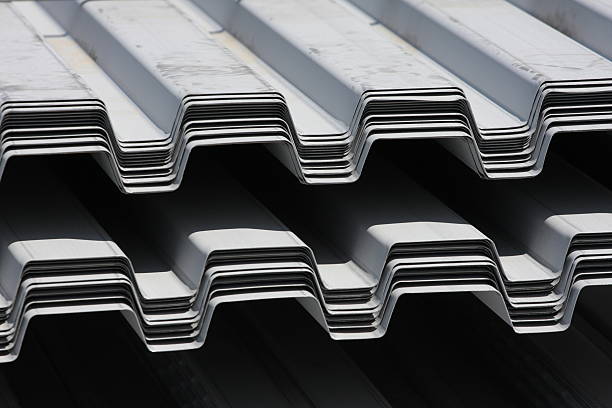

So, H Beams… Bigger Than They Look
I don’t know why, but every time someone mentions steel beams, my brain immediately jumps to those massive frames you see at construction sites, the ones that make you wonder how humans even figured out lifting such monsters in the first place. And then someone hands you an h beam size chart and suddenly you’re stuck decoding numbers that feel like they were copied straight from a spacecraft manual.
But honestly, once you poke around a bit, it’s not that scary. It’s just that the steel industry has a habit of making simple things sound unnecessarily complex. Like, come on man, just say “this thing is thick enough to hold your house without crying.”
Anyway, that’s what I’m trying to break down here, in a very normal, slightly confused, very human way. And yes, the keyword h beam size chart has its own little corner of the internet, especially on places like the where they’ve got the tech sheets and details if you want the hardcore numbers.
The Weird Magic of the “H” Shape
One thing I find oddly satisfying is how H beams literally look like the letter H. Not like some of those random engineering names where you squint and still can’t tell why they called something a .
The H shape isn’t just aesthetic. It’s what gives the beam that crazy strength-to-weight ratio. Think of it like how a sandwich with a super firm filling makes the bread hold shape better. Yeah, weird analogy, but it works. The top flange and bottom flange of the H beam keep everything firm, while the web in the middle shares the load — like the filling keeping your sandwich from collapsing.
Social media, especially Instagram reels for some reason, has been obsessed lately with “satisfying construction stuff,” and H beams sliding into place is one of those satisfying clips you just get stuck watching at 1am when you should be sleeping.
The Size Chart Isn’t Just Fancy Numbers — It Decides Whether Your Structure Lives or Dies
When people search for an H beam size chart, they’re usually trying to figure out things like weight per meter, flange width, thickness, and so on. It sounds boring, but it’s basically the blueprint that decides whether your building stands proud or gives up halfway like me trying to do push-ups.
The chart tells you how strong the beam is and where it can be used. Smaller ones? Perfect for light frames, sheds, maybe even fancy interior structures if you’re into industrial aesthetics. I once visited a small fabrication unit, and the owner literally said, “People treat beam sizes like buying T-shirts. Medium looks good, so they pick medium.” And honestly, that stuck with me. Because unlike shirts, the wrong beam size doesn’t just make you look weird — it makes the entire structure unsafe. So the chart is your life-saving cheat sheet.
A Random Lesser-Known Thing: The Weight Matters More Than You Think
One underrated fact about H beams: a lot of people obsess over the height (like 150mm, 200mm, 300mm) but don’t notice the weight per meter column. But that’s the real deal. The weight tells you how dense and strong the beam actually is. Two beams of the same height can have wildly different strengths just because their flanges are thicker or the web is beefier.
It’s like comparing two people of the same height — one goes to the gym, the other eats Maggi at 2am. Not the same strength at all.
Online Chatter Loves to Compare H Beams vs I Beams
There’s always this friendly rivalry online where people argue whether H beams or I beams are better. LinkedIn experts (you know the type) write long posts acting like they discovered the beam themselves. Real builders usually just shrug and pick what fits the structural need.
But here’s the truth floating around Reddit forums and civil engineering groups: H beams usually win when you need heavy load bearing. They have wider flanges, making them more stable. The size chart makes this super obvious — H beams are chunkier, and sometimes chunkier is better… unless we’re talking about your cat.
A Quick Story Because Why Not
Once, during a renovation project, a friend asked me if he could “just pick any H beam that looks strong enough.” I don’t know whether to blame confidence or YouTube tutorials, but he truly believed beams can be “eyeballed.”
Spoiler: they cannot.
We ended up checking the h beam size chart from the Vishwageeta page and the guy was shocked to see how each small change in thickness increased the load capacity dramatically. His reaction was like when you find out your phone can do something cool that you never bothered to explore.
Wrapping It Up
I’m not going to do one of those polished “in conclusion…” endings. Just… if you’re dealing with H beams, don’t wing it. Use the size chart, understand the loads, and check the specs from reliable sites like the one linked above. And honestly, once you get the hang of reading the chart, it becomes weirdly satisfying — like cracking a code that once felt impossible.