

Introduction
Magnesium is essential for sustaining many physiological functions, particularly heart health. Magnesium glycinate is unique among the various types of magnesium supplements because of its excellent absorption and mild impact on the digestive tract. This article explains how magnesium glycinate can improve cardiovascular health and why people seeking natural heart support are increasingly choosing it.
Magnesium Glycinate: What is it?
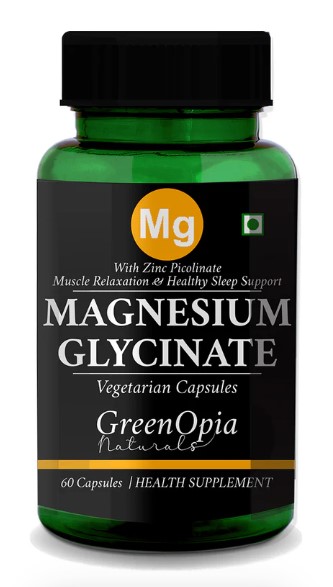
Glycine, an amino acid, and elemental magnesium combine to generate magnesium glycinate. Because this chelated form is easier for the body to absorb, it is less likely to cause the intestinal pain that other forms of magnesium are known to cause. Magnesium glycinate is a relaxing mineral that has a close relationship with cardiovascular health in addition to supporting muscle and nerve functioning.
Magnesium glycinate’s main characteristics include being highly bioavailable and being absorbed by the body more effectively than many other forms.
Mild on the Stomach: It doesn’t irritate the stomach as much as citrate or magnesium oxide does.
Dual Benefit: Promotes relaxation and lowers inflammation by combining the advantages of glycine and magnesium.
Encourages Sleep: Heart health can be indirectly enhanced by getting more sleep.
Non-Laxative: Perfect for everyday usage without producing flatulence.
The Benefits of Magnesium Glycinate for Heart Health
The capacity of magnesium glycinate to control blood pressure is among its most important effects. Magnesium can lower hypertension, a significant risk factor for heart disease, by relaxing blood vessels. Additionally, it supports the electrical activity of the heart muscle, which helps to maintain a stable cardiac rhythm. A magnesium deficit increases the risk of arrhythmias, palpitations, and other cardiac issues.
Antioxidant and Anti-Inflammatory Advantages
Two major causes of heart disease are oxidative stress and chronic inflammation. Magnesium glycinate shields the heart from oxidative damage and helps lower inflammatory indicators. Magnesium may help stop the development of atherosclerosis and enhance heart health by reducing C-reactive protein (CRP) levels.
Glycinate from Magnesium and Stress Reduction
One unnoticed risk factor for heart issues is emotional stress. Because of its relaxing effects on the brain, magnesium glycinate can help lower stress and anxiety levels. By promoting neurotransmitter activity, glycine further amplifies this advantage. Reduced stress results in decreased cortisol levels and less cardiovascular strain.
In summary
One important step in keeping your heart healthy is to include magnesium glycinate in your daily routine. It is one of the best magnesium supplements on the market because of its excellent absorption, mild nature, and several advantages. Whether you’re trying to control high blood pressure, irregular heartbeats, or just maintain long-term cardiovascular health, magnesium glycinate is a natural and safe option to think about. Before beginning any new supplement regimen, always get advice from your healthcare physician.