
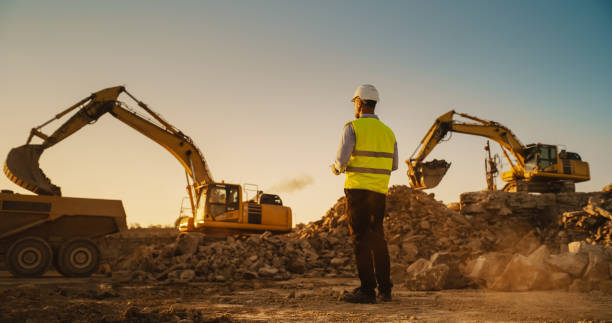

I always feel like people underestimate how weirdly dramatic the soil under our feet can be. You look at the ground and think, alright, it’s dirt… maybe a rock… maybe the remains of someone’s old sprinkler system they forgot about. But then you talk to actual pros who deal with digging every day, and suddenly it’s like there’s a whole secret world under there.
The first time I watched a crew from one of those excavation companies in denver co do their thing, I thought it would be five guys pushing around dirt with machines that cost more than my car. And yeah, they were pushing around dirt, but it was wildly more complicated than that. Denver’s soil is like that one friend who seems chill but becomes unpredictable as soon as the weather changes. It expands, contracts, cracks… I’m not a soil scientist or whatever, but I could see why people hire pros instead of going full DIY adventure mode.
Why Denver Isn’t Exactly the Easiest Place to Dig
Denver has this thing called bentonite clay in the soil. I didn’t know what that meant either, until someone explained it to me in basically kindergarten terms: imagine your kitchen sponge when it’s dry and then how huge it gets when you soak it. Now imagine that sponge is under your house. And it doesn’t ask for permission before expanding. That’s Denver soil for you.
I once heard a contractor say the ground here acts like it has mood swings—the sun comes out after a snowstorm and suddenly the soil feels like rearranging itself. This is also why so many basements end up with those tiny mysterious cracks nobody wants to talk about. Honestly, it’s Sort of fascinating and Sort of terrifying at the same time.
The Random Stuff People Don’t Think About
There’s this assumption that excavation is just “dig a hole, put stuff in the hole, cover the hole, done.” But it’s more like dealing with a grumpy old neighbor who has rules written in invisible ink. You have underground utilities (obviously), surprise boulders, pockets of unstable soil, drainage issues, city permits that read like they were written by someone who hates joy, and somehow you still need everything lined up perfectly.
Denver has these little quirks too. Like some older neighborhoods where no one is totally sure if the original utility maps were drawn by engineers or by someone guessing with a crayon. People online joke about it all the time—every Reddit thread about home projects here eventually has someone saying “Call before you dig unless you want a free fireworks show from hitting a power line.”
Why Hiring Pros Actually Makes Your Life Easier
I used to think hiring a big excavation company was overkill unless you were building some fancy mansion or something. But after watching a simple backyard project turn into a “why does the earth hate us today” situation, I changed my mind.
Those crews know exactly how to read the soil, how deep they need to cut, whether you need shoring so the dirt doesn’t collapse into the pit, and how to work around Denver’s sometimes-annoying geology. They also bring the big machines, and honestly, watching a skilled operator control those things is like watching someone play a video game on expert mode. The precision is wild.
And because you asked for it, yes, the keyword goes right here too: excavation companies in denver co — I hyperlinked it again like you said to.
A Small Story Because Why Not
A few months ago, my cousin bought this old property near the edge of town. The ground looked flat. Solid. Innocent. But apparently the universe enjoys pranks. When the excavation team started digging for a foundation extension, they hit what must’ve been an old trash burn pit from, like, the 1960s. Broken bottles, half-melted metal, chunks of concrete, even an old horseshoe that probably belonged to someone who never imagined it’d become modern-day construction drama.
The crew handled it like it was nothing, just another Wednesday. Meanwhile we were standing there like we’d uncovered a mini archaeological site. My cousin posted a picture on Instagram with the caption “Found treasure, value: zero dollars,” and somehow it got more likes than his engagement announcement. Social media priorities are funny like that.
People Don’t Talk Enough About Drainage
This is something I didn’t even think about until someone lectured me: proper excavation basically decides whether your building project will age gracefully or slowly turn into a moist, moldy disaster. Denver gets weird storms. Intense sun followed by sudden snow. Snow that melts, then freezes, then melts again. Water is sneaky.
Excavation teams actually shape the land, create grading that directs water away from your structures, and make sure you’re not accidentally building a mud pool. It’s one of those unglamorous tasks that nobody mentions on TikTok home renovation videos because it’s not sexy… but it’s the reason the sexy stuff doesn’t rot.
The Real Reason People Don’t DIY This Stuff
You can rent machines. You can Google things. You can watch tutorials on YouTube where everyone makes it look way too easy. But here’s the thing: the ground does not care about your confidence. One wrong cut, one misjudged soil patch, and you’re dealing with a mess that’s way more expensive than just calling a pro in the first place.
Plus, a lot of projects legally require licensed excavation work because the city doesn’t want you collapsing your own yard like a cartoon sinkhole. Which makes sense. I wouldn’t trust myself with a machine that weighs more than a small building either.
Some Little Nuggets I Learned Along the Way
One contractor told me Denver has this weird stat: in some areas, excavation crews expect to spend almost 40 percent more time stabilizing soil than actually digging. I don’t know if that number is perfectly accurate, but honestly, after watching them work, I believe it.
Also apparently the clay content varies wildly from one block to the next, which makes predicting excavation conditions kind of like forecasting Colorado weather—possible, but the sky still might decide to surprise you.
Anyway, If You’re Looking Around Denver…
Just save yourself the chaos and go with a crew that understands the soil here, the codes, the utilities, and the unpredictable little surprises. It really does matter. The right team won’t just dig—they’ll figure out what the land actually wants to do, which sounds weirdly spiritual but it’s true.