
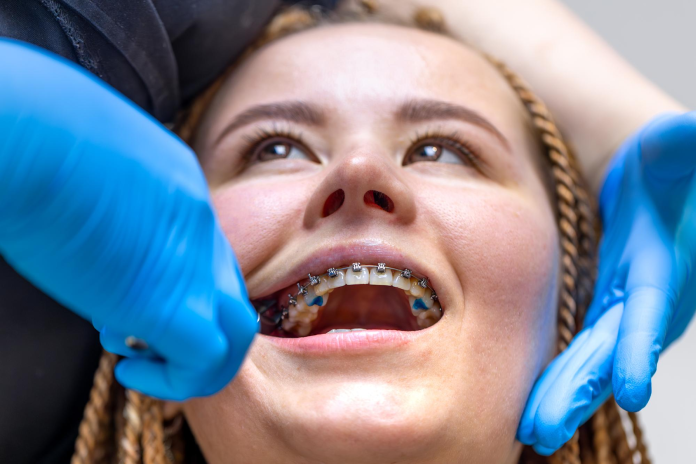

If you’re considering straightening your teeth, chances are you’ve come across the option of traditional braces. As an experienced orthodontist, I’m here to provide you with a comprehensive guide on this time-tested orthodontic treatment.
Understanding Traditional Braces
Traditional braces are the most common and well-established form of orthodontic treatment. They consist of metal or ceramic brackets that are bonded to your teeth, and a wire that runs through these brackets. Over time, the wire applies gentle pressure to gradually shift your teeth into their desired positions.
The Role of an Orthodontist
When it comes to traditional braces, the expertise of an experienced ortho is crucial. Orthodontists are dental specialists who have undergone additional years of training specifically in the alignment of teeth and jaws. They are experts in designing and implementing personalized treatment plans to address a wide range of orthodontic issues.
Before recommending traditional braces, your orthodontist will conduct a thorough examination of your teeth, bite, and overall oral health. They will take X-rays, impressions, and digital scans to create a detailed picture of your current dental state. This allows them to develop a customized treatment plan that addresses your specific needs and goals.
The Traditional Braces Process
The traditional braces process typically involves the placement of metal or ceramic brackets on your teeth, followed by the insertion of a thin, flexible wire that applies gentle, consistent pressure to gradually shift your teeth into alignment. Over the course of your treatment, your orthodontist will periodically tighten or adjust the arch wire to maintain the necessary pressure on your teeth. These adjustments are typically scheduled every 4-8 weeks. After your teeth have achieved the desired alignment, you will enter the retention phase, which involves wearing a retainer to ensure your teeth remain in their new positions.
Advantages of Traditional Braces
Traditional braces offer several advantages that make them a popular choice for orthodontic treatment. They are highly effective in straightening teeth and correcting a wide range of orthodontic issues, can be customized to suit your individual needs and preferences, are built to withstand the daily wear and tear of daily life, and are generally more cost-effective in the long run.
Maintaining good oral hygiene is crucial during your traditional braces treatment. Your orthodontist will provide you with specific instructions on how to brush, floss, and care for your braces to ensure the best possible results.
Many people have concerns about the appearance or comfort of traditional braces. However, modern advancements in orthodontic technology have addressed many of these issues. Ceramic or clear brackets are available, providing a more discreet alternative to traditional metal braces, and today’s braces are designed to be more comfortable, with smaller, smoother brackets and wires that apply gentle, consistent pressure.
Choosing the Right Orthodontist
When it comes to traditional braces, the expertise and experience of your orthodontist can make all the difference. Look for an orthodontist who has a proven track record of successful traditional braces treatments and a commitment to providing personalized, patient-centered care.
In conclusion, traditional braces remain a reliable and effective option for straightening teeth and achieving a beautiful, healthy smile. By understanding the process, benefits, and considerations of this time-tested orthodontic treatment, you can make an informed decision about the best path forward for your oral health. If you have any further questions, I encourage you to schedule a consultation with an experienced orthodontist in your area.