

Introduction
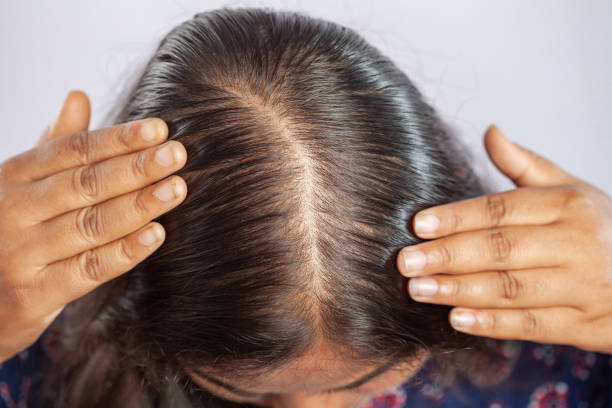
Hair development is more than simply a cosmetic concern; it is a biological process that is influenced by hormones, lifestyle, genetics, and overall health. While having healthy hair can boost confidence, Hair loss can affect people physically and emotionally. Understanding the causes of hair loss and the growth of hair is the first step towards prevention and therapy.
The Development of Hair
Our hair’s continuous cycle comprises three main phases: anagen (growing), catagen (transition), and telogen (resting). The anagen phase, which can last for several years, is when the hair actively grows from the follicle. In the catagen phase, the follicle shrinks and stops growing. During the telogen phase, old hairs ultimately fall out and the cycle restarts. Disruption in these phases might lead to hair loss.
The Role of Genetics
One of the primary causes of hair loss is genetics. Androgenetic alopecia, another name for male or female pattern baldness, is inherited and often follows a predictable pattern. This type of hair loss is linked to the susceptibility of hair follicles to the hormone dihydrotestosterone (DHT), which causes them to shrink over time and generate shorter, thinner hair strands.
Hormonal Shifts and Hair Loss
Hormonal imbalances caused by pregnancy, menopause, thyroid disorders, or polycystic ovarian syndrome (PCOS) might disrupt the hair growth cycle. In some cases, while hair loss may be transitory, restoring hormonal balance might help the hair return to its normal growth pattern.
Nutritional Deficits and Lifestyle Factors
The body needs essential nutrients like vitamins, iron, zinc, and protein for healthy hair development. Hair follicles can be weakened by stress, smoking, poor diet, and lack of sleep, all of which increase the risk of hair loss. A temporary shedding disorder called telogen effluvium can also be brought on by crash diets or sudden weight loss.
Hair Loss and Health Concerns
Certain medical conditions, including autoimmune diseases like alopecia areata, can cause hair loss when the immune system mistakenly attacks hair follicles. Scalp infections, skin disorders, and chronic illnesses may damage the follicles and interfere with the development cycle.
Avoidance and Intervention
The first step in treating hair loss is determining the cause. Treatment options include hair transplant surgery, laser therapy, PRP (platelet-rich plasma) injections, and medications such as minoxidil or finasteride. Maintaining a healthy scalp, maintaining a balanced diet, and controlling stress can also lead to healthy hair growth and a decreased risk of future hair loss.
To sum up
Numerous factors, such as genetics and lifestyle decisions, can contribute to hair loss. The process of hair growth is complex. Understanding the science behind hair care can help people take preventative steps and seek the appropriate treatment when necessary. Proper care, nutrition, and medical support can make a big difference. Healthy hair starts on the inside.